Vying for America’s Attention Span
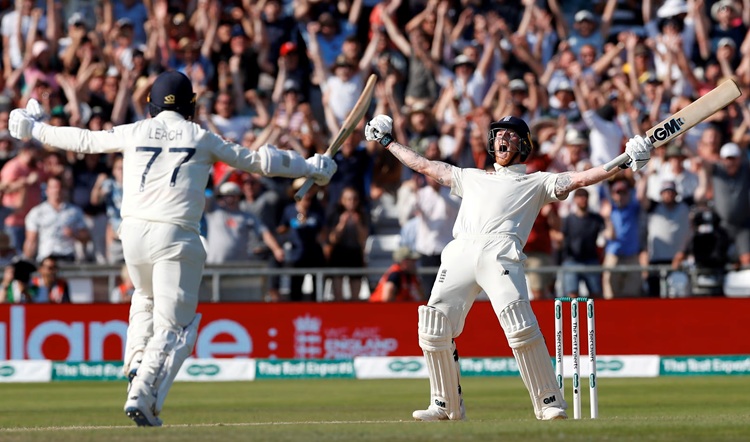
Between the PSL, IPL, MLC, MiLC, and CPL, we've been watching a lot of T20 cricket for the past six or seven months (and I'm probably forgetting a few franchise leagues in there somewhere). And while 2027 should give us plenty of 50-overs action leading up to October's World Cup in South Africa, Zimbabwe, and Namibia, the next few months should give fans of the oldest and longest form of the game something to get excited about. There's gonna be a lot of Test cricket this winter.
The irony is that while T20 was almost designed to be the TV-ready "export version" of cricket -- the shorter, three-and-a-half hour game believed to be an easier sell to countries new to the sport -- I think that it's actually the depth and complexity of Test cricket that could make it an even more attractive sell to sports fans in this country.
The ancient argument that Americans don't have the attention span for a five-day Test is just plain goofy. Americans will watch paint dry if it's presented in a unique and intriguing way. (Or if we can gamble on various elements of the drying process.) We watch multi-day golf tournaments on the PGA, LPGA, and Champions Tours every week. We watch best-of-five and best-of-seven playoff series in baseball, basketball, and hockey all the time (and a seven-game series can take up to ten days to complete with the travel between cities). We aren't afraid of deep dives here. If it captures our attention and imagination, we'll watch it.
Test cricket is one of the most intense games on the planet. I tell baseball fans to imagine playing double-headers for five straight days and coming up with a winner after 90 innings. And unlike a playoff series, if you're getting beaten badly in one game, you can just write it off and start again fresh the next game. Here, every ball of every day is important and gets counted toward the final cumulative score.
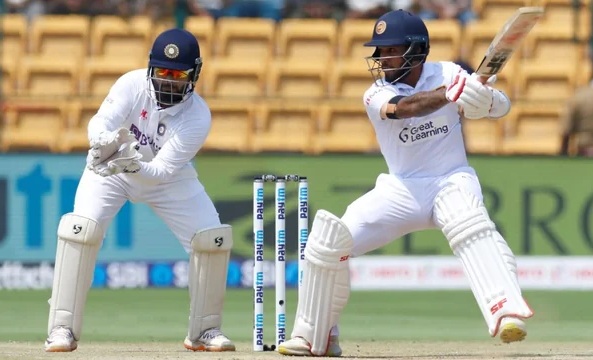
But Test cricket goes beyond just the Xs and Os of batting and bowling. There are atmospheric and weather conditions to consider. Harder, drier pitches in South Africa favor pace bowlers, for example, while slower pitches in India favor spin bowlers. The threat of bad weather may influence a team's choice to bat or bowl first or affect how aggressively they may choose to bat or bowl if there's fear that inclement weather may cancel a significant amount of play.
So, even though the basics of the game aren't all that different from what you see played in T20 in three-and-a-half hour chunks, the strategies and nuances of a five-day competition make it an incredibly complex game with constantly evolving subplots. As a result, a lot of what makes Test cricket so amazing to its fans are the things that can't really be quantified in a stat line or captured in a 20-second highlight clip.
Unfortunately, this giant cycle of Tests that's just begun isn't in the friendliest of viewing times for folks in the US, with most matches starting between midnight and 3am Eastern Time. Zimbabwe just began a series in Afghanistan. Later this month, Sri Lanka will head to Pakistan, Bangladesh will travel to South Africa, and India will visit New Zealand. The winter continues with New Zealand in Australia, England in South Africa, Australia in India, and Sri Lanka in New Zealand before the Test season wraps up with England heading to Australia for a one-off match celebrating the 150th anniversary of the first England- Australia Test in 1877.
Test cricket offers things and situations that you just don't see in other sports. So, if you're a fan of red ball cricket, you're in a good place; you may just need to adjust your sleep habits for the next few months. And if you're new to Test cricket, check out the New Zealand-India Tests that begin on November 18th and have far more convenient 5pm Eastern/2pm Pacific starting times.
© CricAmerica.com/Steve Steinberg 2026

You May Also Like
Netflix’s Cricket Fever

A Look Back — and Ahead — at MLC’s New CEO